
 |
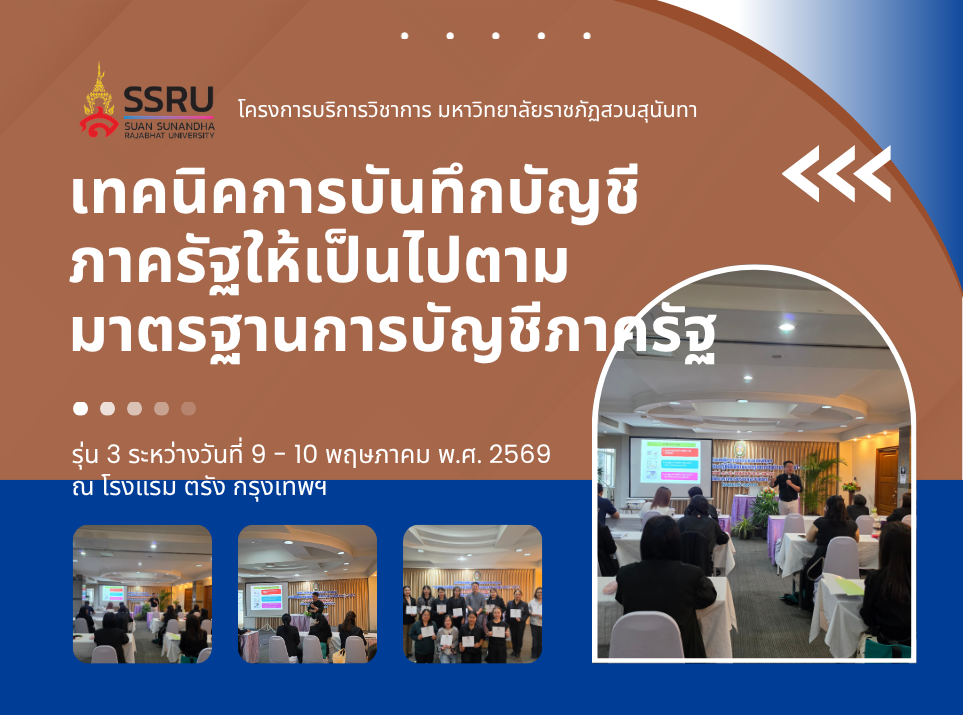
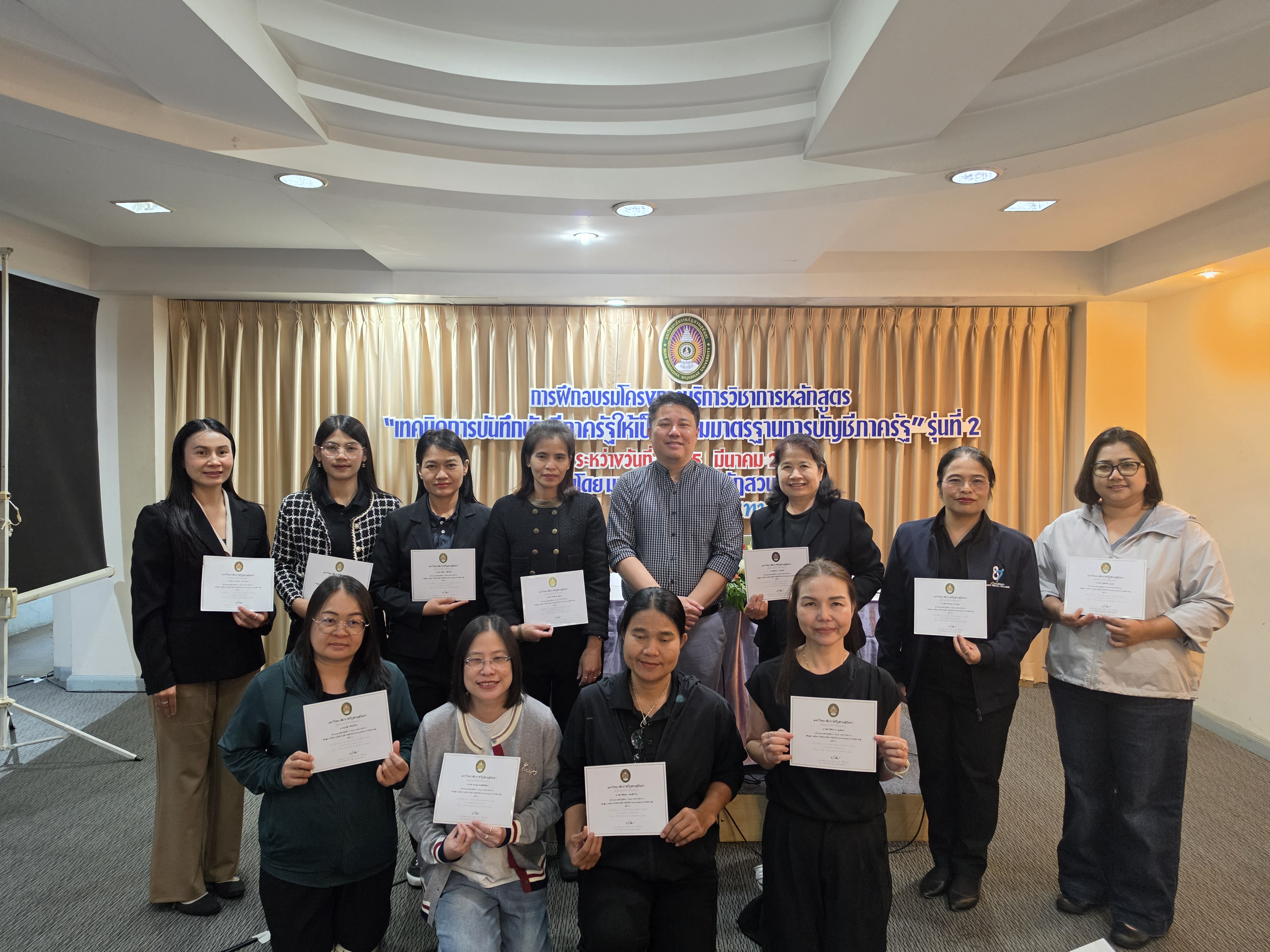
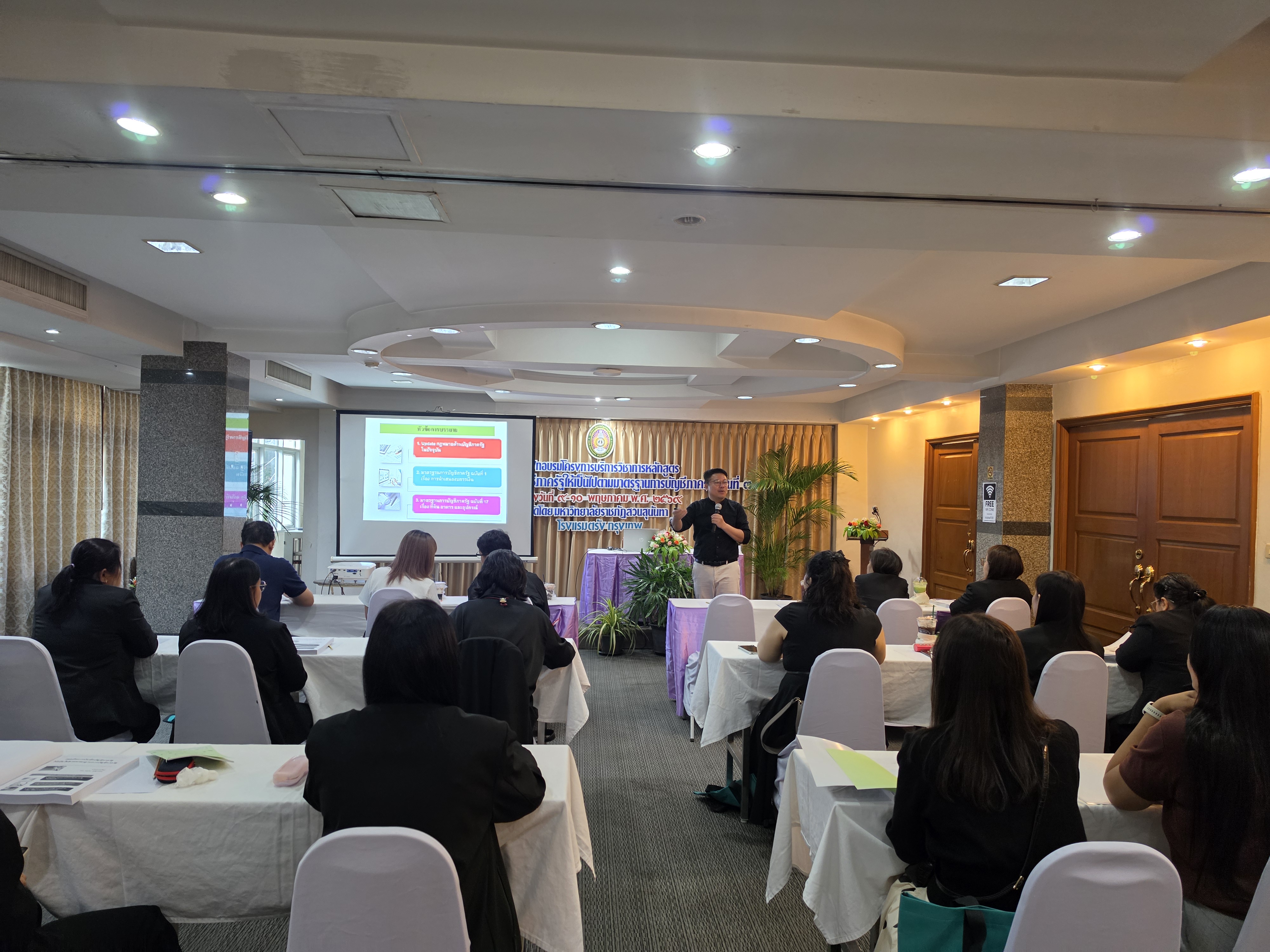
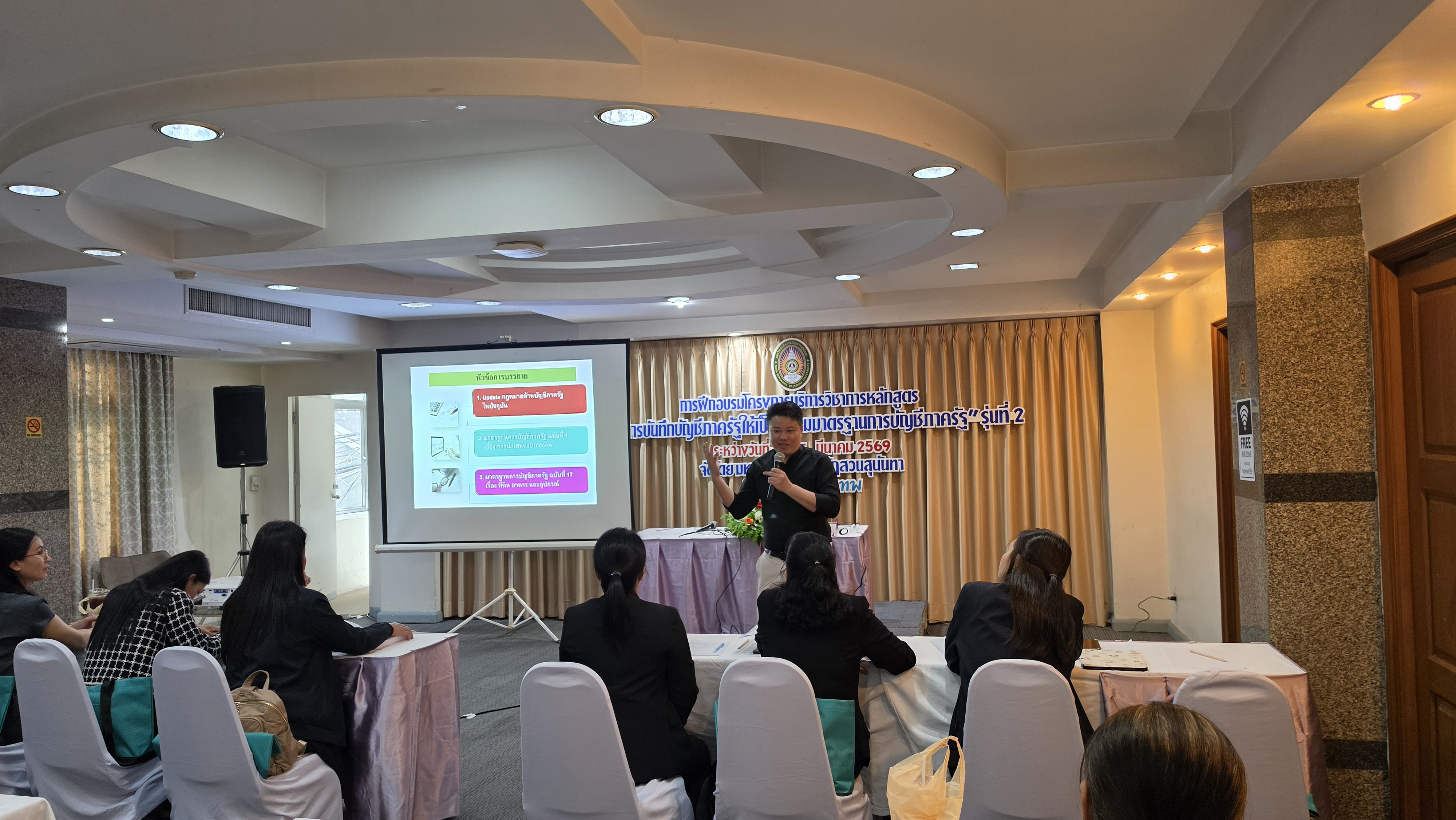
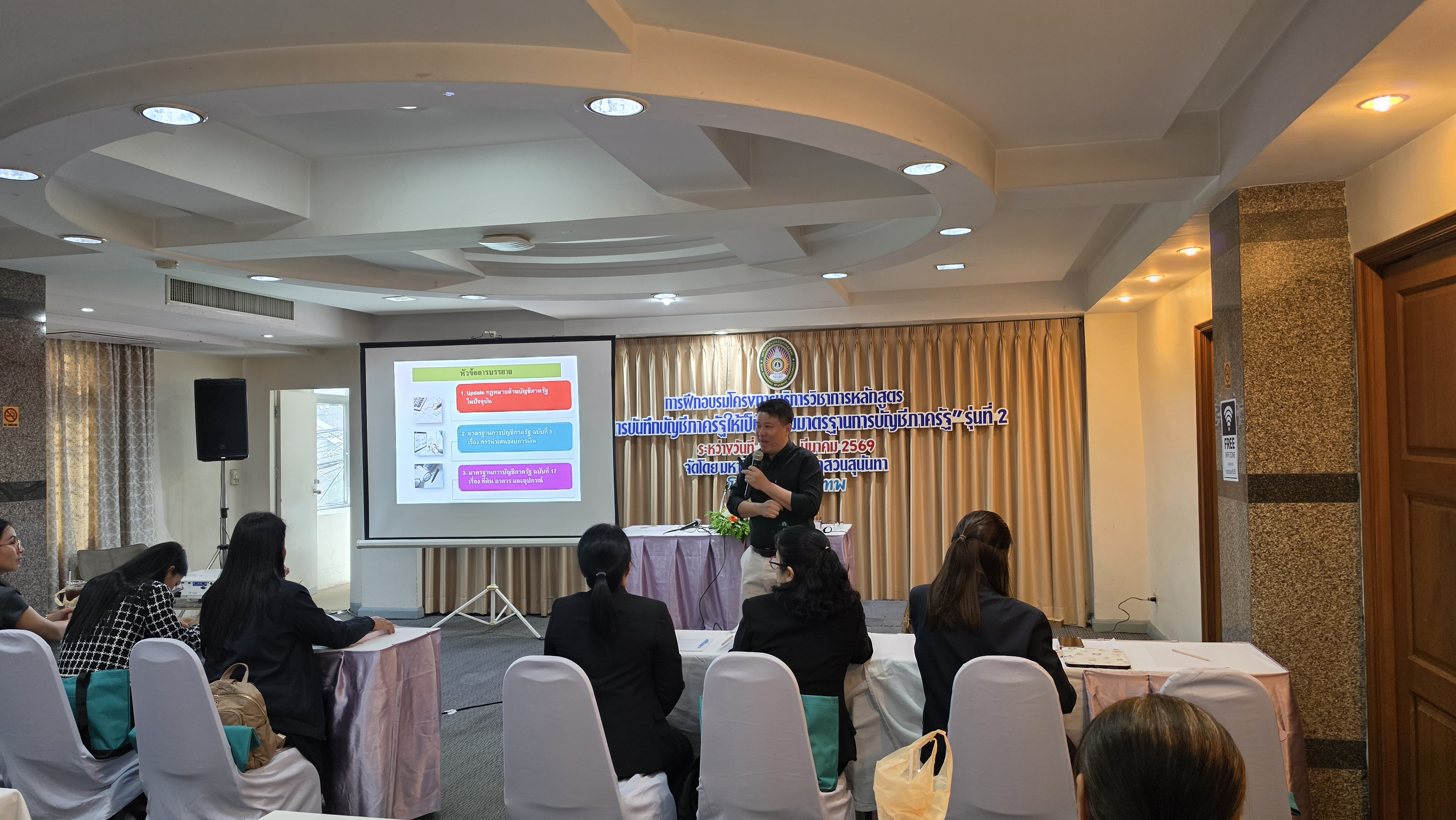
On May 9–10, 2026, the Finance Division of Suan Sunandha Rajabhat University organized the 3rd batch of the training program entitled "Techniques for Accurate Public Sector Accounting Recording in Accordance with Public Sector Accounting Standards." Held at the Trang Hotel Bangkok, the training was attended by financial, fiscal, and accounting personnel from various units within the university. The program aimed to elevate their knowledge, understanding, and operational skills in alignment with public sector accounting standards and continuously evolving financial regulations.
This initiative stemmed from a review of the university’s financial and accounting procedures, which revealed that staff from different units possessed varying operational contexts and levels of understanding regarding accounting practices. This resulted in discrepancies, inconsistencies, or delays in preparing financial data and reports. Consequently, the university identified capacity-building for public sector accounting personnel as a critical mechanism to reduce financial risks, improve data quality, and strengthen organizational governance.
The training focused on public sector accounting standards, guidelines for recording accounting transactions, financial statement preparation, document accuracy verification, and practical problem-solving based on real-world operations. Participants exchanged experiences across departments, analyzed case studies, and collaboratively developed guidelines to establish shared operational standards across the university.
Following the training, personnel applied the acquired knowledge to enhance their work processes, including journal entries, document verification, financial reporting, and inter-departmental coordination. This led to more accurate, systematic operations that better conform to government regulations.
Participating units also developed joint operational guidelines for accounting entries and financial reporting. They drafted or revised work manuals, standard operating procedures (SOPs), and internal control systems to ensure a unified approach, minimize errors, and improve clarity in financial and accounting operations.
The outcomes of this project enhanced the reliability of the university's financial data and reports, effectively supporting both internal and external audits. Furthermore, it enabled executive management to utilize financial information for better decision-making, budget planning, and resource allocation. However, empirical evidence—such as improved audit results, reduced error rates, optimized workflows, or testimonials from units implementing these practices—should be further incorporated.
In addition to operational outcomes, the project established a learning network among financial and accounting staff across the university. This fostered the sharing of best practices, inter-unit consultation, and collaborative problem-solving, thereby reducing departmental silos and creating consistent financial management standards organization-wide.
The university plans to track the application of this knowledge to further enhance financial processes. This includes assessing the quality of financial reports, inspecting document accuracy, reviewing work processes, and conducting regular network meetings for finance and accounting practitioners to continuously refine work systems and build personnel capabilities.
This initiative aligns with SDG 16: Peace, Justice, and Strong Institutions, specifically in building effective, transparent, accountable, and verifiable institutions. By elevating the skills of finance and accounting personnel, establishing shared operational standards, and improving the accuracy and reliability of financial data, the university reinforces the core foundation of financial governance and resource management.
Furthermore, the project supports SDG 4: Quality Education by promoting lifelong learning and professional competency development, enabling personnel to adapt effectively to changing standards, regulations, and public administration contexts.
Suan Sunandha Rajabhat University remains committed to leveraging the results of this workforce development to upgrade its entire financial and accounting management system—ensuring operational accuracy, transparency, and accountability to sustainably support its core missions in education, research, and academic services.
 |  | |
 |  | |