
 |
Suan Sunandha Enhances Good Governance, Elevates Transparency in Procurement Systems, and Proactively Builds Anti-Corruption Risk Mechanisms
Suan Sunandha Rajabhat University is moving forward to elevate its procurement management systems toward higher efficiency, transparency, and accountability. The university places key importance on preventing risks associated with operational errors and corruption right from the upstream stage, alongside capacity building for personnel to establish consistent operational standards across the entire organization.
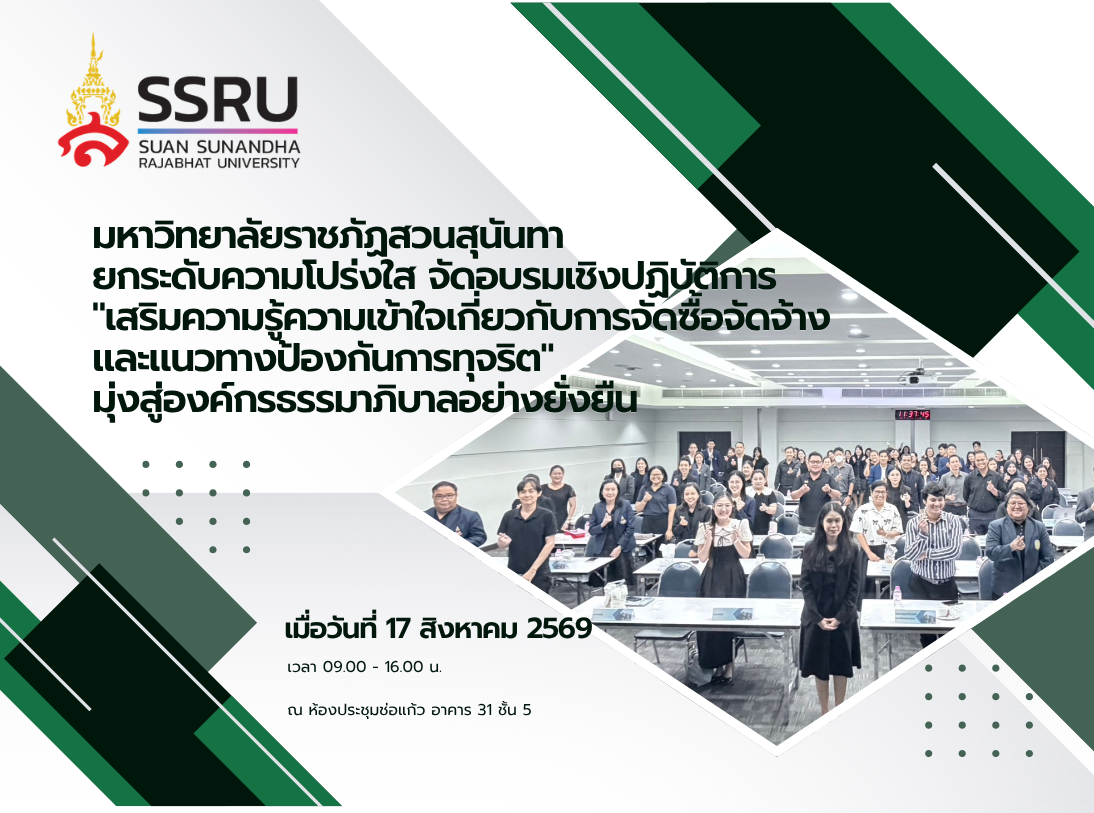
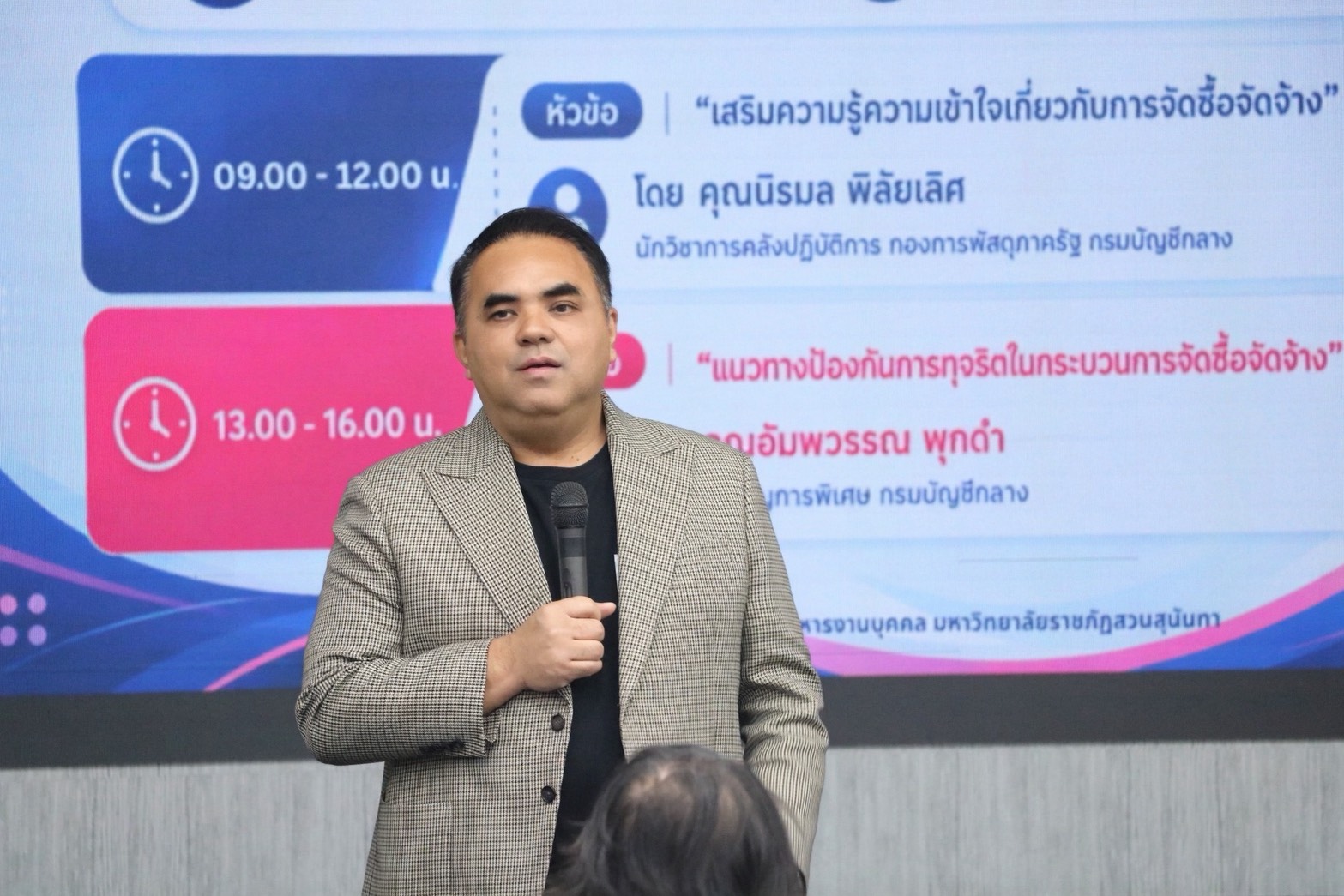
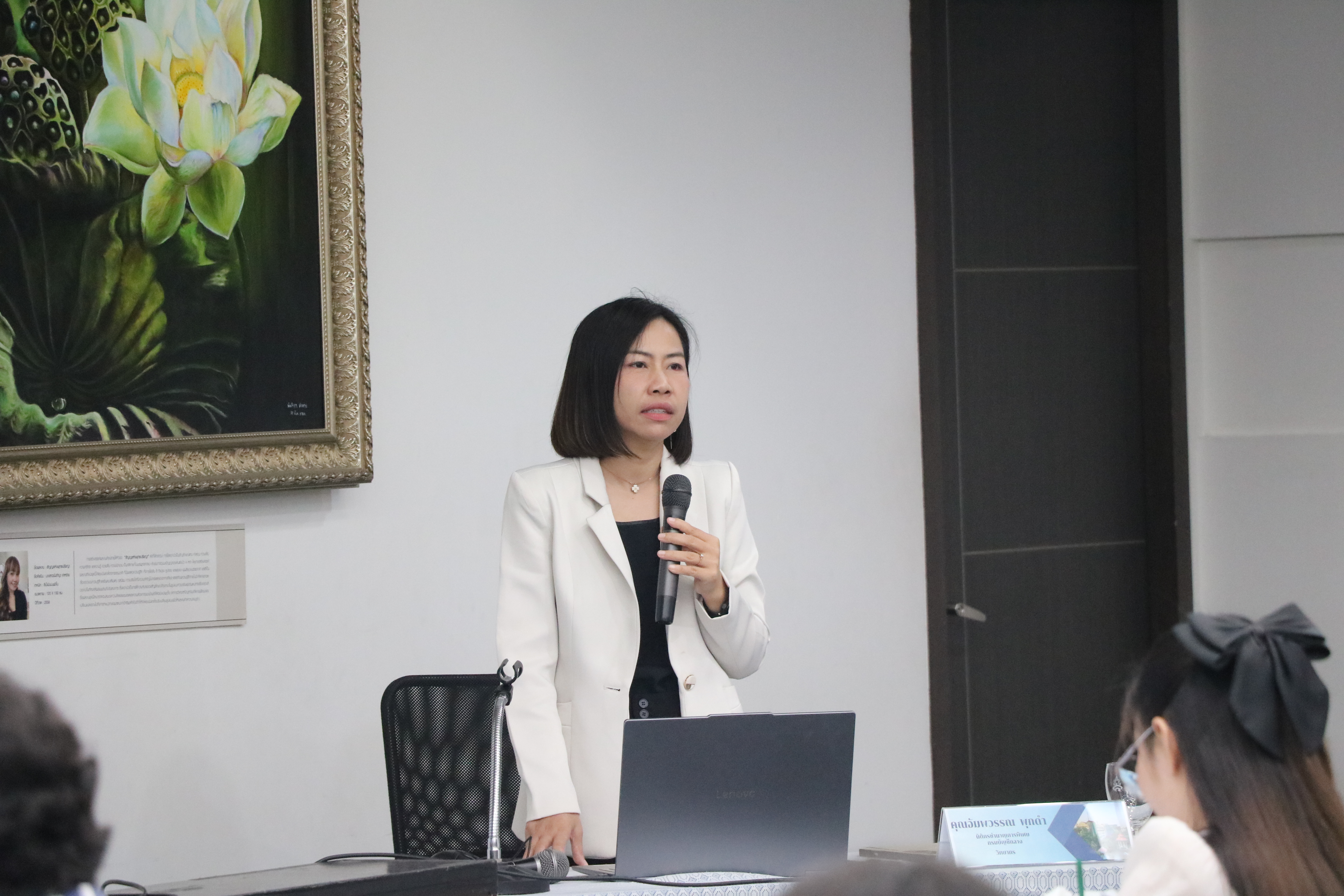
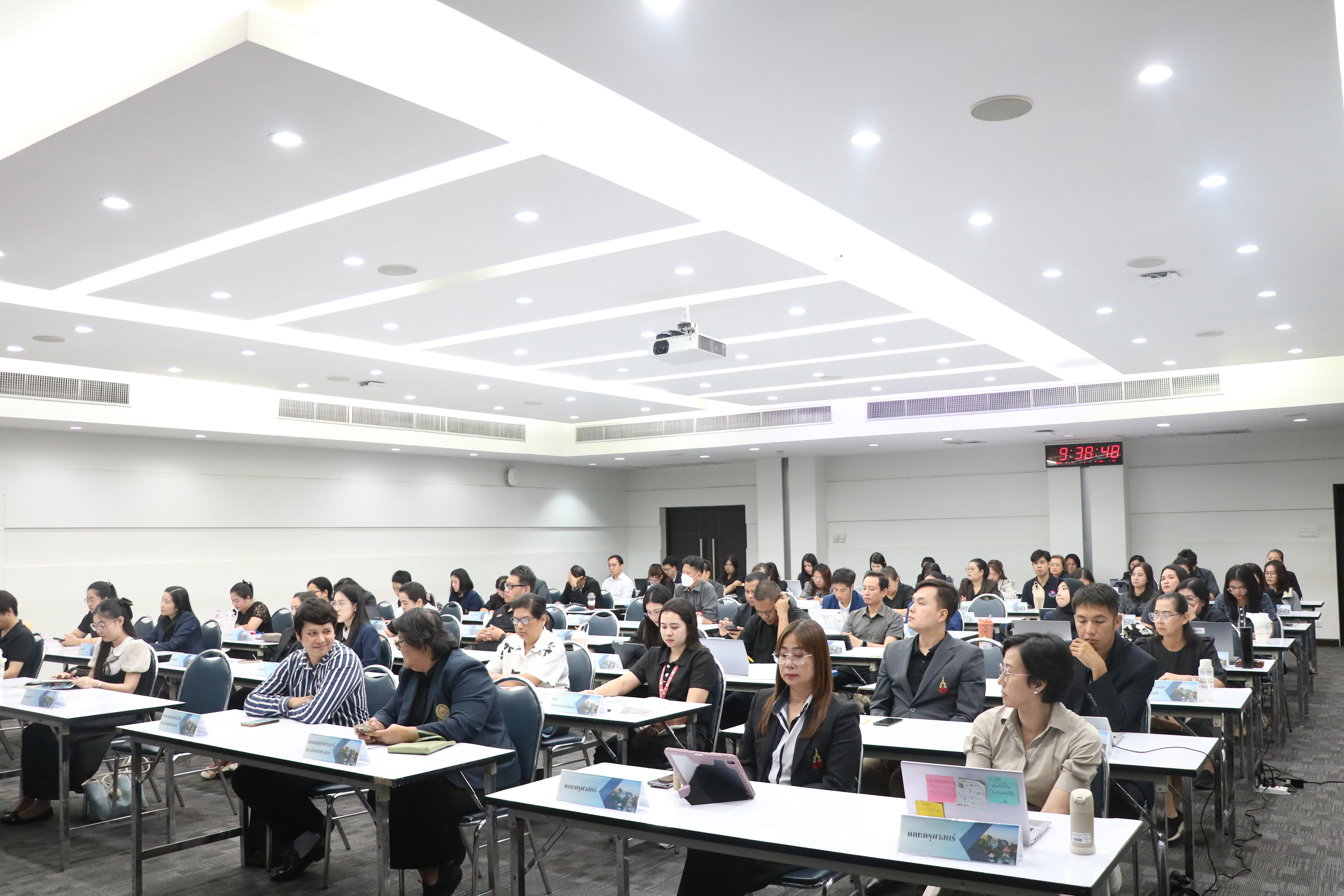
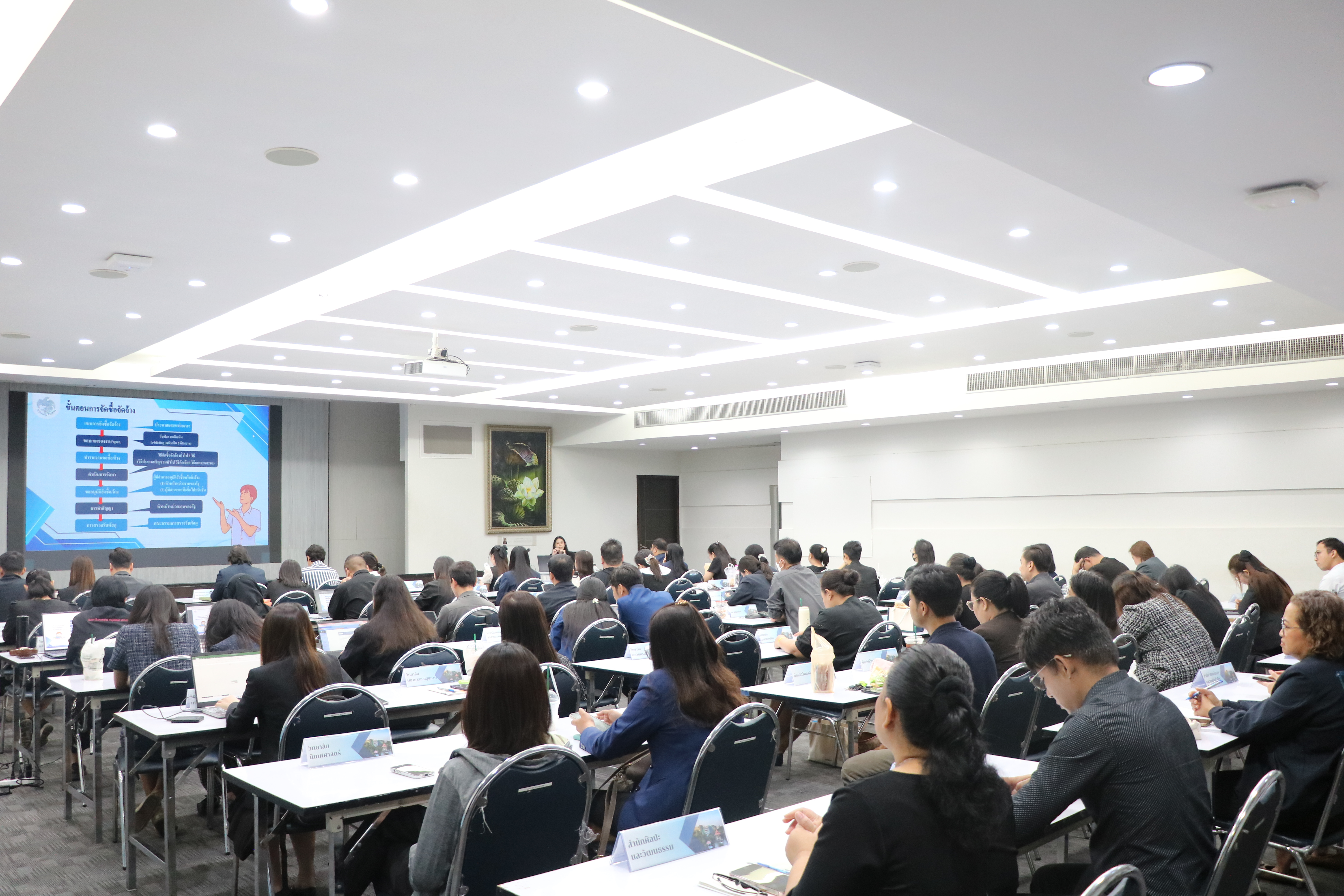
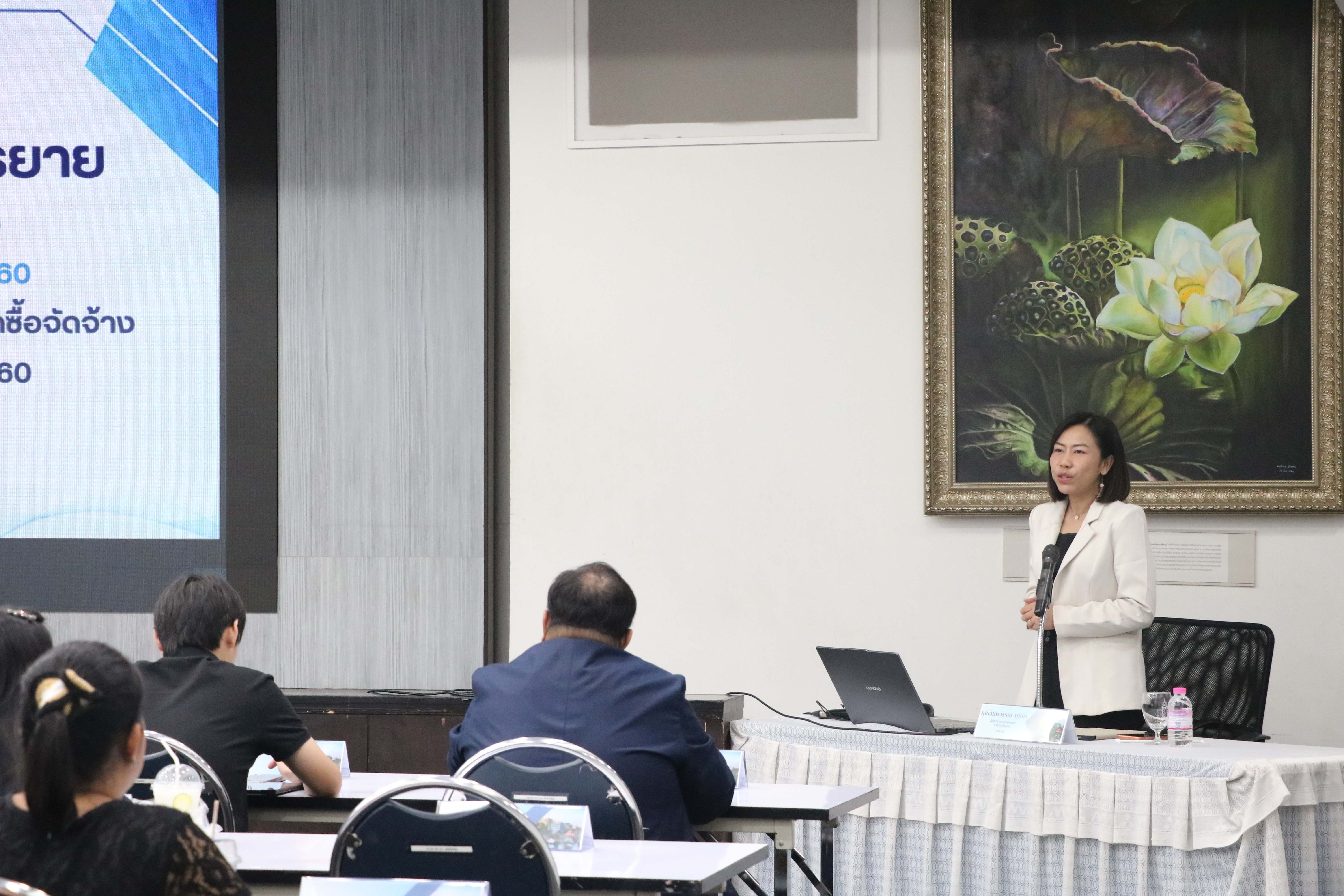
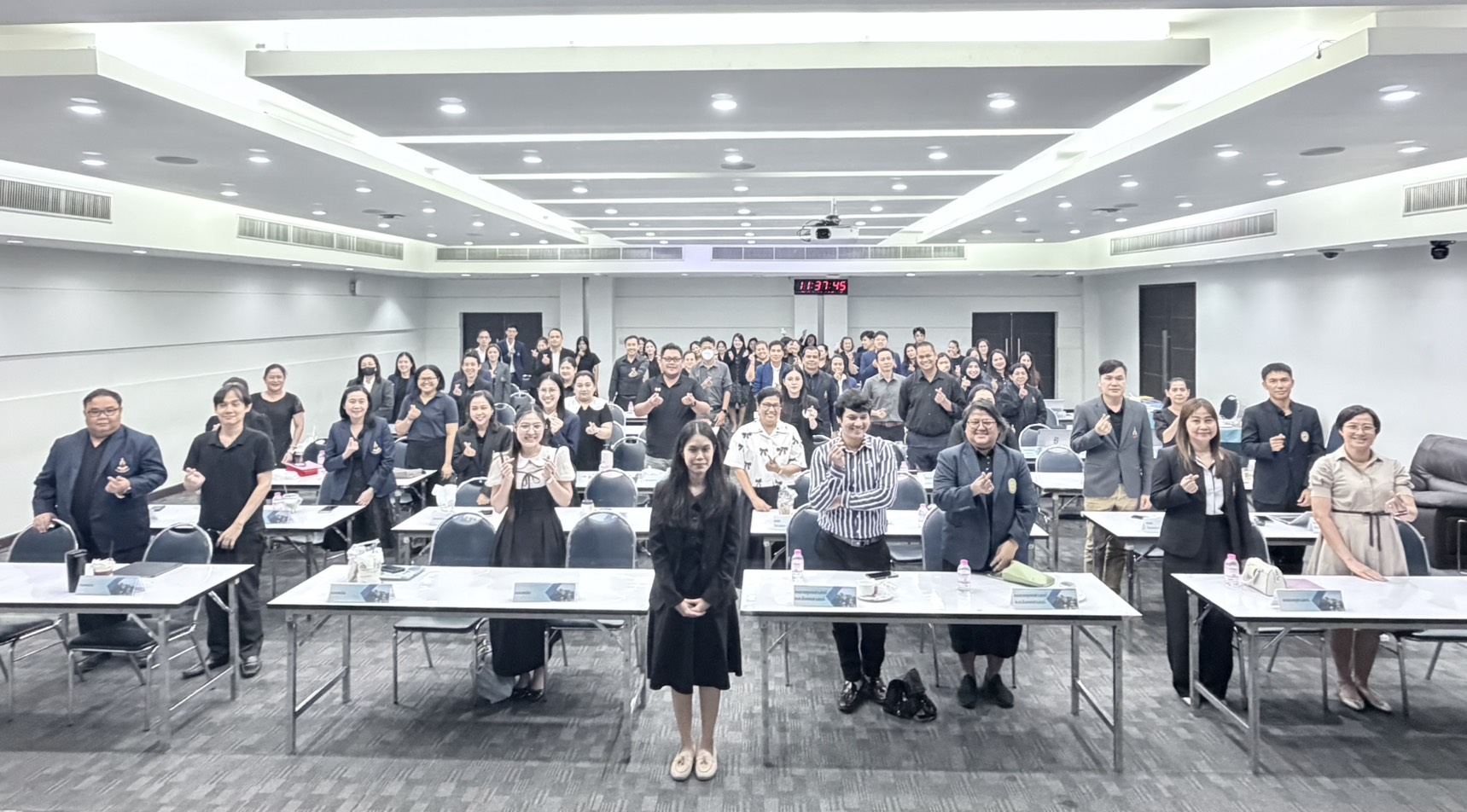
On August 17, 2026, from 09:00 to 16:00, at Chokaew Meeting Room (5th Floor, Building 31), Suan Sunandha Rajabhat University, the Finance Division—in collaboration with the Personnel Management Division and the Central Division under the Office of the President—organized a workshop titled "Enhancing Knowledge and Understanding of Procurement and Guidelines for Preventing Corruption in the Procurement Process." The event was honored by Assoc. Prof. Dr. Komsan Sommanawat, Vice President, who presided over the opening ceremony. The workshop was attended by staff from various divisions, particularly operational personnel and stakeholders involved in public procurement and supplies management.
The initiative stems from the realization of procurement's crucial role, as it directly relates to the administration of university budgets and resources. Furthermore, relevant laws, regulations, criteria, and guidelines are detailed and subject to continuous updates. Divergent understandings or misinterpretations of these regulations can lead to operational errors, delays, formal complaints, or risks of non-transparency in workflow execution.
Consequently, the university has integrated a proactive approach into its system development. This approach aims to equip staff with accurate knowledge of procurement laws, rules, criteria, and practical guidelines, while simultaneously fostering awareness regarding ethics, accountability, and the prevention of risks that could lead to corruption. This ensures that every step of the process remains clear, fair, and traceable.
The training covered the latest criteria and operational guidelines for procurement and supplies management, as well as case studies on potential operational risks and mistakes. This enables personnel to apply the knowledge in real-world decision-making and operations, reducing discrepancies and strengthening standardized practices across all departments.
Beyond individual capacity development, the university aims to expand its efforts into organizational-level risk prevention mechanisms. This connects with promoting an organizational culture of integrity under the "No Gift Policy" and "Zero Tolerance for Corruption." Key strategies include establishing best practices, conducting regular process monitoring, and implementing information technology to streamline procurement processes—making information easily accessible and verifiable.
This framework reflects a shift from reactive problem-solving to systemic risk management and prevention. By building a shared understanding among operational personnel, developing standardized guidelines, and utilizing monitoring processes as mechanisms for continuous improvement, the university ensures that its resources and budgets are utilized efficiently and responsibly.
These actions align directly with Sustainable Development Goal 16: Peace, Justice, and Strong Institutions (SDG 16), particularly in reducing corruption risks and developing effective, accountable, and transparent institutions. Enhancing legal and regulatory knowledge, setting clear guidelines, and establishing monitoring and risk-prevention systems all serve as key drivers in promoting internal governance.
Moving forward, the university plans to track the practical application of these guidelines. Key performance indicators (KPIs) may include the frequency and types of procurement errors, complaints or appeals, internal audit results, regulatory compliance levels, and the adoption of best practices across departments. Data gathered from this monitoring process will be continuously fed back into refining workflows and mitigating risks.
This effort forms a vital base for a procurement system rooted in correctness, transparency, accountability, and upstream risk prevention, strengthening internal university management and cultivating a sustainable organizational culture anchored in good governance.
#SuanSunandhaRajabhatUniversity #SSRU #GoodGovernance #Transparency #PublicProcurement #SDGs #SDG16
 |  | |
 |  | |
 |  | |